
Blog Details
Anxiety is not a character flaw
·By Dr. Amelia Hart
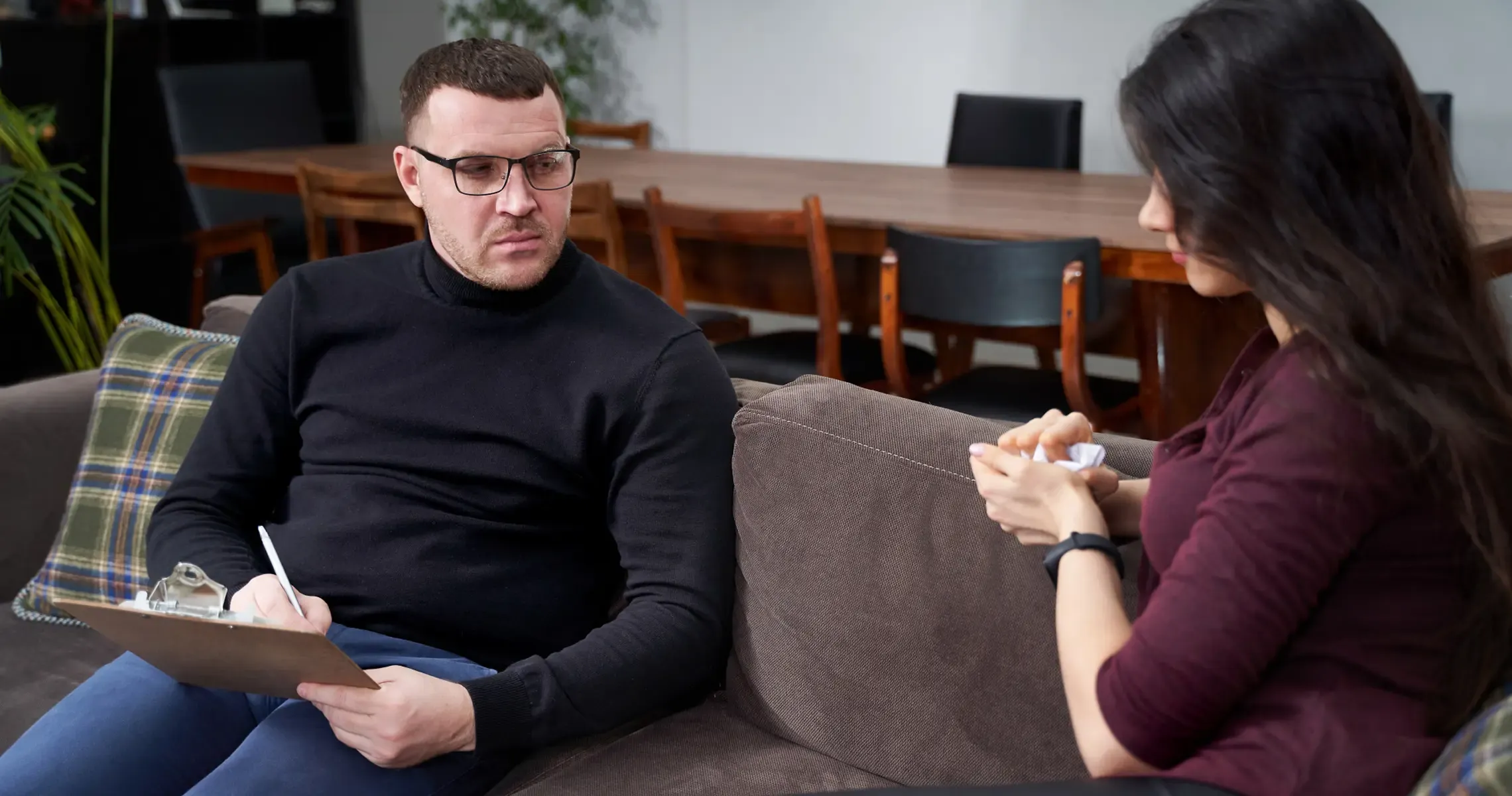
A large proportion of the people who come to see me about anxiety open with an apology. They are sorry for taking up the appointment, sorry that it is not a real problem, sorry that they cannot simply get on with it. The apology is itself part of the pattern.
What anxiety is for
Anxiety is a threat-detection system, and it is supposed to be oversensitive. A system that produced no false positives would miss real dangers, which historically mattered a great deal more than being occasionally wrong.
The trouble is that the system was calibrated for threats that were immediate, physical and resolvable by action. Applied to an unanswered email, a difficult conversation next week, or a symptom you have looked up online, it produces the same physiological response with nothing for that response to do.
Why “just stop worrying” fails
Two reasons. First, suppression does not work on thoughts — attempting not to think about something reliably increases its frequency. Second, and more importantly, the worry usually feels productive. Turning a problem over has the texture of solving it, which is why it is so hard to put down.
Recognising worry as an activity that feels useful and mostly is not — rather than as a personal weakness — is generally the first real shift in treatment.
What actually helps
The approaches with the strongest evidence share a shape:
Reducing avoidance. Anxiety shrinks the range of things you do. Each avoided situation confirms that it was dangerous, and the range narrows further. Graded, deliberate re-approach is uncomfortable and highly effective.
Working on the relationship to the thought, not its content. Arguing with an anxious prediction tends to generate more predictions. Noticing it as a prediction, and proceeding anyway, does not.
Attending to the physical baseline. Sleep, alcohol, caffeine and exercise measurably shift the threshold at which the system fires. This is unglamorous and it matters.
Dropping the second layer. Much of the suffering in anxiety is not the anxiety but the response to it — the frustration and self-criticism at being anxious at all. Removing that layer reliably reduces the total.
When to seek help
There is no severity threshold you need to clear. If anxiety is shaping your decisions — what you do, where you go, what you avoid — that is reason enough. Treatment for anxiety is among the most effective things we offer, and most courses are measured in weeks rather than years.